Hiring a mover for an interstate relocation feels straightforward until the quotes start arriving. One estimate quotes by weight, another by volume, and a third folds packing into a single line called “materials and labor.” The numbers rarely land in the same neighborhood, which makes it hard to know what is fair, what is padded, and what might explode on delivery day. The skill is not getting the lowest number, it is understanding what you are buying so you can control risk, time, and cost.
I have sat at kitchen tables with families who swore they had 6,000 pounds of belongings, then watched the certified scale read over 8,200 after the truck rolled off the platform. I have also seen quotes jump 30 percent because no one asked about the narrow driveway that required a shuttle. The patterns repeat. Good quotes are clear about assumptions and limits, and they show you exactly how decisions affect price. Weak quotes hide those levers.
This guide walks through what to look for, what to challenge, and how to line up estimates from long distance moving companies so you can choose based on substance rather than guesswork.
What a complete long distance quote should include
Use this as a quick checklist when reading estimates. The labels can vary, but the core parts show up on every solid interstate proposal.
- Service scope: origin and destination services defined, including loading, unloading, disassembly, reassembly, and whether packing services are included or excluded Pricing basis: weight based, volume based, or a binding flat rate, with the rate or minimums spelled out Accessorials: conditions that trigger extra charges, such as stairs, elevators, long carries, shuttles, parking permits, waiting time, and bulky items Dates: pickup window, delivery spread, and any guaranteed date option, plus storage services if needed at origin or destination Liability: the valuation coverage level selected, deductibles, and a written explanation of what happens if something is lost or damaged
If any of those pieces are missing or vague, the number at the bottom is not reliable.
Weight, volume, and why the method matters
Interstate moves are often priced by weight, verified by certified scale tickets. The mover weighs the truck empty, then again with your goods loaded. Your price is the difference times the rate. Weight based quotes tend to track reality, provided the inventory and furniture count match what is actually moved.
Volume based quotes use cubic feet. The mover estimates how much space your items will occupy. Honest teams use a cube sheet that breaks down volume by item. The problem is that a 900 cubic foot estimate can turn into 1,100 at load if the inventory was optimistic, and that 200 cubic foot swing adds real money. Some customers like volume pricing because it sounds intuitive. In practice, volume invites disputes unless the quote locks the cube and states in writing what happens if it grows.
Binding flat rates exist too. The mover commits to a fixed price once they have a verified inventory and access notes. This rewards preparation. If your list is exact and the access is known, a binding number eliminates surprises. It also means any additions after the survey get priced as change orders.
One of the simplest ways to compare quotes is to ask a volume based mover to show the cube sheet and the conversion they used. Many use 7 pounds per cubic foot as a rule of thumb. If the same household is 8,000 pounds on a weight quote but only 900 cubic feet on a volume quote, something is off. 900 cubic feet at 7 pounds per foot equals 6,300 pounds, a large gap that demands a conversation.
Service scope: packing, partial packing, and owner packed boxes
Packing services change cost and risk. Full packing includes labor and materials for everything that goes in a box. Partial packing covers fragile items like kitchenware, lamps, and framed art while you pack books and linens. Owner packed boxes can save money, but they shift responsibility. Movers are generally liable for what they pack, not for what is hidden in an owner packed carton. If a TV shows up cracked in a box you sealed, the claim is far less likely to be paid in full.
Look for three things in the packing section of your quote. First, the box count and sizes, not just a lump sum labeled “materials.” If you see 30 book boxes, 25 medium, 15 dish packs, 8 wardrobes, 2 mirror cartons, and a roll count for paper and tape, that is a sign the estimator actually visualized your home. Second, the labor hours or crew plan for packing. Third, a note about crating. Glass table tops, large mirrors, fine art, and some TVs require wooden crates. Crating deserves its own line item with dimensions.
Accessorial charges: where quotes go sideways
Surprises do not come from the base rate as often as they come from the conditions around your home. A long carry fee triggers if the truck cannot get close to the door and the crew has to push dollies more than a set distance, often 75 feet. Stairs beyond one flight can be extra. Elevators can go either way, sometimes they save time, sometimes they cause waiting charges in older buildings. In many cities, tractors with 53 foot trailers cannot access residential streets. That is when a shuttle van is required to ferry items between the home and the big rig. A shuttle is a meaningful cost, often several hundred dollars or more depending on size and time.
Ask for the numbers behind these triggers. If a mover lists a shuttle as “if required” without a price, you do not have a usable quote. If they include a shuttle in the base, ask what conditions would allow them to remove it. Clarity lets you make choices. You might secure a loading zone permit or stage items in a garage to reduce a carry.
Valuation and how liability really works
Interstate moves follow federal rules under the Carmack Amendment. The default option is called released value and it pays 60 cents per pound per article. That is not insurance, and it is not close to replacement cost. A 50 inch TV that weighs 35 pounds would be valued at 21 dollars under released value. Full Value Protection, sometimes just called FVP, is the move toward making you whole. Under FVP, if an item is damaged or lost, the mover repairs it, replaces it with a like item, or pays you the current market value, subject to exclusions and deductibles. Common deductible options range from zero to $500. Some companies also offer declared value based on the total weight of the shipment times a dollar amount per pound, for example 6 dollars per pound. That means a 7,000 pound shipment would have a declared value of 42,000 dollars.
When comparing quotes, look for three details. Which valuation option is included in the price. The deductible. And any high value inventory requirements. Many movers require you to list individual items over a set threshold, often 100 dollars per pound in value, to qualify for full coverage. If you decline to list items or to open boxes for inspection at delivery, you can limit your claim rights. A clear quote spells this out.
Dates, spreads, and storage in transit
Long distance moving rarely operates on exact times. Most carriers use pickup windows and delivery spreads. A delivery spread might say 5 to 10 days after pickup, or 3 to 14 days depending on distance and routing. Guaranteed delivery options exist but cost more, because the mover must reserve capacity and absorb deadhead miles if the schedule shifts.
If your new home is not ready, storage services bridge the gap. Storage in transit, abbreviated SIT, is short term storage held by the carrier. Think of SIT in two pieces. First, warehouse handling to vault your items. Second, a daily or monthly storage rate per hundredweight. Past a certain number of days, your goods convert to permanent storage and a different tariff can apply. The quote should list warehouse handling in and out, the SIT daily or monthly rate, and any minimums. If you might need storage, get those numbers up front.
Fuel, tolls, and small lines that move the bottom number
Fuel surcharges are common and fluctuate with the market. They can be built into the linehaul or listed separately as a percentage. Tolls, border crossings, and seasonal surcharges show up regionally. Winter deliveries into mountain towns can require chains and extra time. None of these items are wrong, but they should be named with rates, not hidden in “miscellaneous.”
How to compare apples to apples across three real quotes
Line up the quotes on a single page, then translate each one to the same assumptions. Start with the inventory. Are all large pieces listed by name, and is the carton count within a believable range for your household size. For a three bedroom home, I often see 100 to 150 boxes when packing services are included. If you move a lot of books or kitchenware, that number climbs fast.
Next, normalize access. If one mover includes a shuttle at destination because the street is tight, either add that same shuttle to the other quotes or ask whether they can remove it if you secure parking. Do the same with long carries and stairs. Behavior matters more than price here. A mover who invites that conversation before move day probably communicates well later too.
Finally, make valuation match. If one quote includes Full Value Protection with a 250 dollar deductible and the others default to released value, convert all three to the same coverage. long distance moving The premium for FVP varies, but you want to compare like with like.
When I worked with a family moving from Mesa to Denver, the first quote was 7,900 dollars weight based, the second was 6,800 dollars volume based, and the third was 8,400 dollars binding flat. The cheaper quote omitted a shuttle at destination even though the street near their Capitol Hill apartment would never accept a tractor. Once we added a shuttle and matched valuation to Full Value Protection, the 6,800 quote jumped to 8,100. The binding quote stayed flat because we had disclosed the shuttle during the video survey. They chose the binding option and avoided a late day fight in a downtown alley.
Reading the fine print on deposits and payments
Legitimate interstate carriers typically collect payment at delivery by certified funds or card, not large deposits at booking. A small scheduling deposit is normal for some residential moving companies, especially for peak dates, but watch size and refund terms. A hefty, nonrefundable deposit tied to “dispatch” is a red flag in broker heavy corners of the market.
Check whether your quote is from a carrier or a broker. Brokers can be helpful, but you need the actual carrier’s name and DOT number on the agreement, not just a promise that one will be assigned later. I have no issue with brokers who disclose their role and connect you to reputable long distance moving companies. The trouble starts when the paperwork hides who will actually show up with a truck.
HomeLove Movers - AZ on building a transparent quote
Different companies approach estimating in different ways. At HomeLove Movers - AZ, the estimator’s job is to capture three things with precision: what is moving, where it is moving from and to, and how it will be handled on both ends. That means a room by room inventory, photographs of items that require special handling, and a candid talk about access. If the driveway at the origin pinches down to 9 feet near the gate, that goes in the notes with measurements. If the destination is a condo with an elevator that needs to be reserved, their team calls the building for restrictions and service elevator hours.
On paper, that shows up as line items that can be toggled. Packing services included or owner packed, with a box breakdown either way. Shuttle in or out depending on what the site survey supports. Storage services priced but not activated unless your closing slips. The outcome is a quote you can read like a plan, not a riddle. Over the years I have seen that level of specificity minimize change orders. No one minds paying for what they knew they would need. People resent paying for surprises.
Five red flags that signal a risky quote
- A deposit over 20 percent demanded before a site visit or a thorough video survey, especially if called nonrefundable A quote that only references cubic feet without a detailed cube sheet or inventory list you can review Vague accessorial language like “additional fees may apply” without published rates or triggers Paperwork that lacks a DOT or MC number, or where the company name on the contract does not match the brand you spoke with A valuation section that defaults to 60 cents per pound with no written explanation of Full Value Protection options and costs
A good company welcomes scrutiny. If you ask for the inventory or the basis for a fee and the response is defensive, that is your sign to keep looking.
Case vignette: comparing three bids for local residential moving Mesa to Austin, then choosing value over noise
A couple in Mesa needed to relocate for work. They were long on books and short on time, so they thought they required full packing. They gathered three quotes for what started as local residential moving Mesa while they waited for a start date, then pivoted to interstate when the job firmed up in Austin. One mover priced by weight at 9,500 dollars including full packing services and a three day delivery spread. The second bid came in at 8,100 dollars by volume with a low box count and owner packed language. The third was a binding flat at 10,200 dollars with packing and a shuttle penciled in at destination because of a tight downtown street.
We laid out the pieces. The second bid assumed 60 boxes. I could count more than that in their office and den. They also had three flights of stairs at origin and a long carry due to HOA rules, neither priced. When we added 70 more cartons, stairs, and a likely shuttle at destination, the 8,100 rose to 10,400. The first mover’s weight based estimate assumed owner packed. When we swapped in full packing, it landed at 10,200 with a five day delivery spread. The binding quote included the right conditions from the start and offered a guaranteed second day delivery for a modest premium. They chose the binding option because the last thing they wanted was a 14 day spread while starting a new job. That was not the cheapest number on day one, but it was the best fit for their risk and timing.
This is the heart of comparing moving services. The strongest proposal aligns with your constraints, it does not just undercut. The worst experience often comes from a low base that balloons when a building policy or a box count catches up with reality.
Questions to ask HomeLove Movers - AZ or any mover before you sign
Ask who will perform the move and request the carrier’s DOT number. Confirm whether the quote is binding, non binding, or not to exceed, then ask the conditions that would change the price. Clarify whether packing services are included and get the breakdown by box type and quantity. Describe access at both homes in concrete terms, including parking rules, distances from curb to door, elevator reservations, and any HOA restrictions, then ask which accessorials are included today and which are contingent with published rates. Review valuation together and choose a coverage level in writing, including any high value inventory list and the deductible. Finally, talk about dates. Is there a pickup window or a fixed date, and what delivery spread applies for your route. If you might need storage services due to closing timing, get SIT rates and warehouse handling fees ahead of time so you can budget instead of react.
Conversations like these do not offend seasoned residential moving companies. They simplify planning, they protect both sides, and they show you who treats details as the work rather than paperwork to push off until later.
How HomeLove Movers - AZ handles special items and tricky access
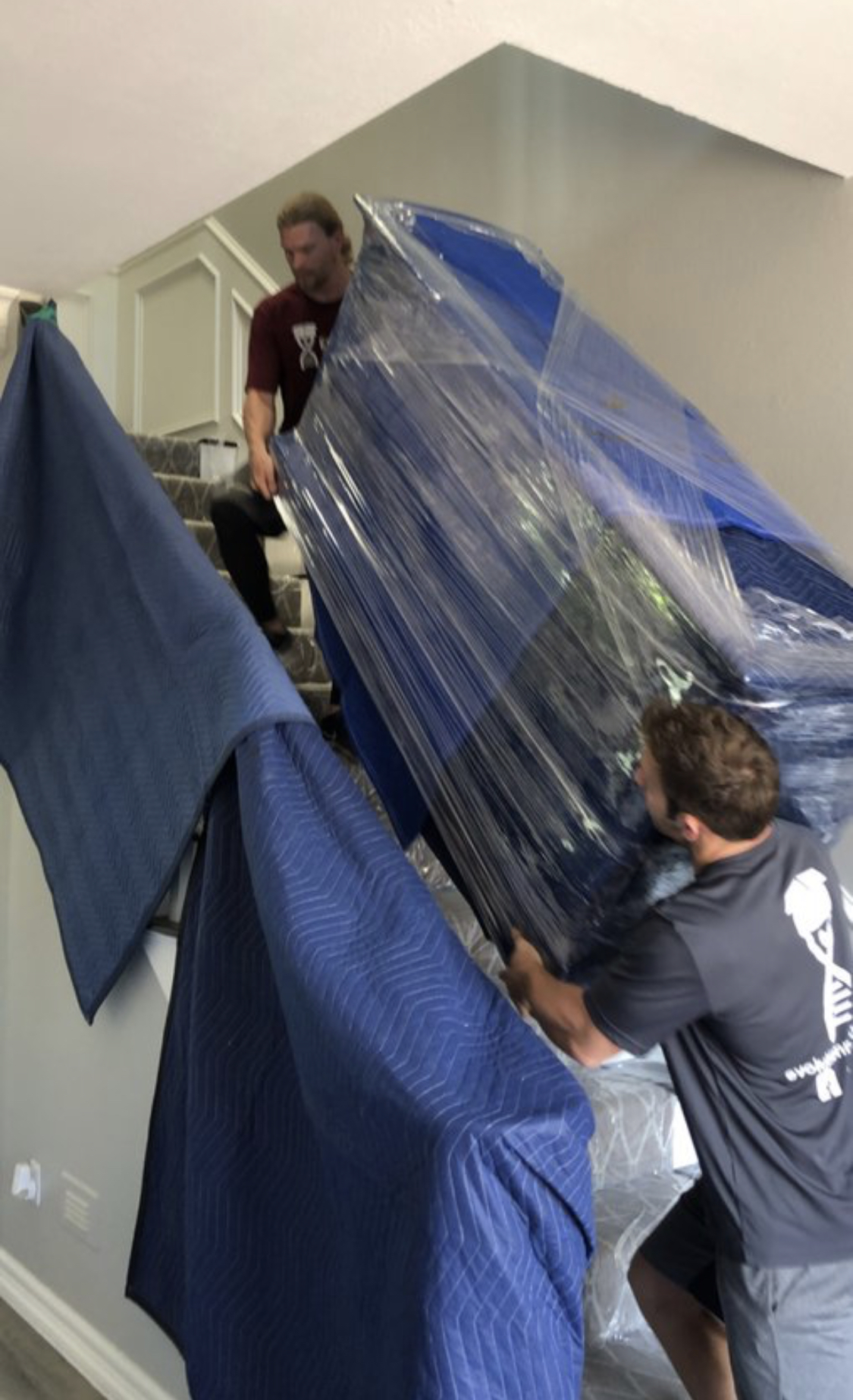
Transparent quotes depend on technical choices. HomeLove Movers - AZ insists on measuring big pieces and modeling the path from each room to the truck. A 92 inch sofa that barely made it down a spiral staircase will not shrink at delivery. If it needs hoisting with additional labor, that should be priced and scheduled, not decided on the curb. For fragile items, they spell out whether custom crating is required. I have watched crews wrap a marble top in quilt pads and hope for the best. Marble chips easily under strap pressure. A company that budgets a crate and shows you the line item is not upselling, it is preventing a preventable claim.
On access, they look at street width, turning radii, and low branches. If a tractor cannot safely reach the driveway, they add a shuttle and explain the timing. That lets you loop in your building or HOA, reserve a service elevator, and warn neighbors. The best long distance moving outcomes start with boring logistics handled methodically.
When extras are worth it, and when to save
There is a persistent idea that you save the most by doing everything yourself. Sometimes that holds. If you love packing and have weeks to prepare, owner packed boxes can trim costs without hurting outcomes. If you are moving a one bedroom apartment with easy parking on both ends, a shuttle will look silly. Skip it.
On the other hand, paying for professional packing on kitchens, art, and electronics often saves money once you price the materials and your time. Dish packs, glass kits, mirror cartons, foam, and tape are not cheap at retail. More importantly, when the mover packs, the mover owns the packing quality, which improves your position if a claim happens. Similarly, paying for a shuttle when street conditions are tight avoids hours of failed backing maneuvers and stressed neighbors. A bold driver can sometimes wedge a tractor into impossible spaces. If he clips a tree or a parked car, you will wish you had moved a few couches with a smaller truck.
Getting an accurate quote in the first place
You will get the best estimates when you help the estimator see the real job. Walk them through every space, including attic, garage, storage closets, and the yard. Open cabinets and point to what will go and what will be sold or donated. If a video survey is used, stand still with the camera and pan slowly. Teleporting from room to room or racing past shelves defeats the purpose.
Tell them about everything unusual. A pinball machine in the den. A safe in the closet. The treadmill that was assembled upstairs. These items add weight and complexity. Note parking realities. If your street bans trucks before 9 a.m. Due to school drop off, that matters. If your destination has a loading dock with a two hour window, that matters too. Real details produce real numbers.
The same applies to timing. If you are closing on a Friday afternoon and cannot get keys until Monday morning, say so. That is a classic setup for storage in transit or a weekend standby, and both have costs that belong on the estimate rather than appearing on Saturday as a surprise.
The role of local and residential context in long distance pricing
People sometimes think of local residential moving and interstate moving as totally separate worlds. The gear changes, but the fundamentals do not. A company that handles local residential moving with precision tends to document access well and train crews to protect walls and doorways. Those habits carry over to interstate work. If you have used a team for local jobs and they were careful and on time, that is relevant data. In places like Mesa, where neighborhoods range from wide cul de sacs to tight historic streets, a mover skilled in local residential moving Mesa will likely ask the right questions about shuttles and carries when you head out of state.
On the flip side, a pure over the road carrier might price the long haul perfectly but miss the building rules on a downtown unload. That shows up in waiting time and frayed tempers. The strongest long distance moving companies marry long haul discipline with residential moving awareness. That is the sweet spot.
What to do when quotes are far apart
If one estimate is 30 percent lower than the others, pause. It could be that this mover optimized a backhaul and genuinely has a cost advantage for your dates and route. Ask them to explain. Are they already delivering in your destination city that week. If yes, the number might hold. If the explanation is vague or leans on “we have our own trucks,” press for details.
Then ask each mover for a good faith scenario analysis. If your shipment ends up 10 percent heavier than estimated, what happens to the price under each proposal. If the elevator fails on delivery and the crew has to use the stairs, what fees apply. If a winter storm delays the route, how do they communicate and reschedule. You are not asking them to predict the future. You are checking whether they have a playbook for common disruptions.
Bringing it together
A long distance quote is a forecast tied to clear assumptions. The best ones are specific, boring in a good way, and open to scrutiny. When you read three or four side by side, you should be able to articulate the differences out loud. This one includes Full Value Protection with a 250 dollar deductible and a shuttle. That one is cheaper because it assumes owner packed and released value and no shuttle. The third is binding not to exceed based on a tight inventory and photo verified access. Now you can choose based on what you value most, not just the number in bold.
Companies like HomeLove Movers - AZ that show their math make that decision easier. They turn the estimate into an operating plan with components you can control. If your dates slip, storage services are already priced. If you decide to pack your own books but want the pros to handle the kitchen, the box counts and labor lines update transparently. That is what you want from any mover you hire for long distance moving. You are not buying a mystery. You are buying a plan to move your life across miles with as few surprises as possible.
Homelove Movers - AZ
1902 N Country Club Dr, Suite 21, Mesa, AZ 85201
(480) 630-2883